How to Keep Internet Working During Power Outages: Essential Tech and Setup
To stay connected during blackouts, experts recommend using power-independent xPON optical connections and ensuring backup energy sources for home networking devices.
 👥Society
Photo: TSN
Key points
- Passive optical xPON networks transmit data without requiring powered switches in residential buildings.
- Home setups require concurrent backup power for both the optical terminal (ONU) and the Wi-Fi router.
- Standard FTTB connections fail during outages unless the building's shared switch has dedicated battery backup.
Maintaining stable internet access remains a vital requirement for remote work, education, and daily communication during electrical grid disruptions. Optical fiber connections based on xPON technology are considered the most reliable solution, as they deliver internet signals without requiring active powered network nodes inside apartment buildings.
Why Optical Technology Outperforms FTTB
The primary advantage of xPON is that fiber-optic cables run directly from the provider's central hub to the end user. If the telecom provider equips its distribution facilities with backup generators or batteries, the signal reaches apartments uninterrupted even during district-wide outages. In some cases, network autonomy can theoretically reach up to 72 hours, though local infrastructure capabilities vary.
Conversely, traditional FTTB networks rely on shared switches installed in residential hallways or basements. If this central switch lacks independent backup power, household internet cuts off as soon as the building loses electricity, rendering individual apartment power banks ineffective for restoring connectivity.
Essential Equipment for Home Users
To keep an xPON line running independently, residents must supply auxiliary power to two separate devices: the Optical Network Unit (ONU) terminal and the Wi-Fi router. Common approaches include:
- dedicated mini UPS units that switch seamlessly to battery operation when the grid fails;
- compatible high-capacity power banks equipped with appropriate voltage conversion cables;
- mobile hotspot tethering from a smartphone as a temporary contingency measure.
Technicians advise users to verify the exact electrical specifications, including voltage and amperage ratings, before connecting backup units to prevent equipment damage.
Source TSN — tsn.ua/other/internet-bez-svitla-iak-zalyshatysia-onlayn-pid-chas-bleka… ↗
Read next
 💼Economy
Roman Schoolstudents Accidentally Discover Ancient Villa with Unique Mosaics and Frescoes Beneath Their School
Teenagers exploring their school's basement stumbled upon the remains of a 2nd-century ancient Roman residence featuring exceptionally preserved artifacts.
 ⚽Sport
Emotional Reunion: Ekaterina Petrenko Opens Up About Separation from Son During 'The Bachelor'
Former reality show contestant shared details of her first conversation with her child after leaving the project and thanked Vyacheslav Kravtsov for his honesty.
 🛡️Security
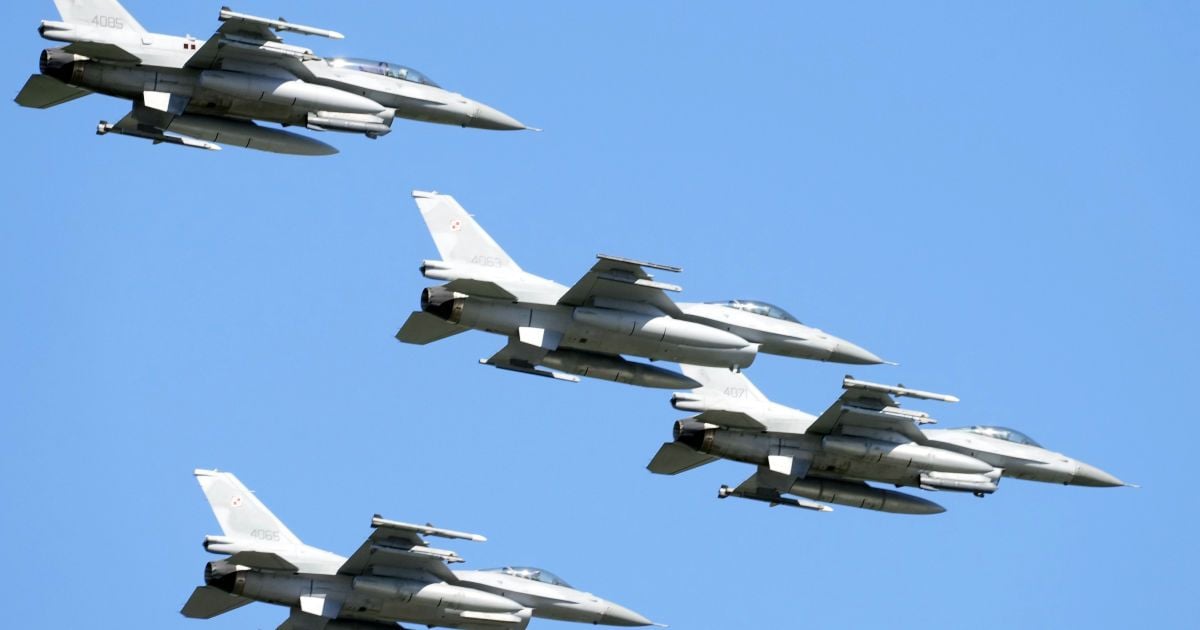
Russian Missiles Over Poland: Why a Swedish Fighter Jet Did Not Shoot Down the Target
During a massive Russian attack on western Ukraine, air targets breached Polish airspace. A Swedish pilot had authorization to fire but failed to identify the target due …
 🚨Events
Massive Strikes on Kharkiv Region: 15 Injured, Including Children
Russian forces attacked Kharkiv and 17 settlements across the region, causing civilian casualties and significant damage to residential areas.
 🚨Events
Ballistic and Drone Attack on Kryvyi Rih: Two Dead, 42 Injured in 'Double-Tap' Strike
Russian forces struck central Kryvyi Rih with ballistic missiles and suicide drones, killing two people and wounding 42 others. Rescue workers and emergency medics were d…
Record Intensity on the Frontline: General Staff Reports Over 200 Engagements in 24 Hours
The Pokrovsk sector remains the most volatile area as Russian forces deploy massive numbers of kamikaze drones and guided aerial bombs.