Archaeologists explore 'Aquaterra': submerged lands reveal secrets of ancient civilizations
Researchers are studying submerged shelves that were once part of the mainland, where ancient humans lived. These territories, covering 22.5 million square kilometers, hold artifacts that could reshape our understanding of history.
 💡Tech
Photo: UNIAN
Key points
- The term 'Aquaterra' refers to submerged coastal areas totaling 22.5 million square kilometers.
- Archaeologists are finding artifacts on the seabed dating back over 12,000 years.
- Coastal erosion threatens even 16th-century sites, complicating ongoing research.
Lost worlds beneath the sea
Over the last 120,000 years, the contours of Earth's coastlines have shifted repeatedly due to sea-level fluctuations caused by glacial periods. In 1999, geographer Jerome Dobson coined the term 'Aquaterra' to describe vast coastal areas totaling 22.5 million square kilometers that eventually ended up underwater. These lands, comparable in size to North America, were once habitable, but as glaciers melted, the sea submerged them along with human settlements and traces of activity.
Ancient technology on the ocean floor
Scientists believe that much of human progress occurred when sea levels were lower and coastal plains were accessible. Archaeologists have already discovered remnants of ancient camps, tools, and even Mayan salt-production structures on the floor of the Gulf of Mexico and off the coast of Belize. Some of these artifacts are over 12,000 years old.
However, the loss of cultural heritage remains a pressing issue today. Coastal erosion is destroying sites that were accessible to researchers just a few decades ago. As Eric Klingelhofer notes, the rate of shoreline loss in some regions is about 20 feet every 20 years, threatening the study of relatively recent historical sites, such as the 16th-century English colony on Roanoke Island.
Source UNIAN — unian.ua/science/pid-vodu-pishla-susha-rozmirom-iz-pivnichnu-amerik… ↗
Read next
 🎭Culture & Sport
The Art of Caring for a Money Tree: Tips for Healthy Growth
Learn how to provide the right lighting and watering for your Crassula ovata to ensure it stays lush and healthy.
 🚌Transport
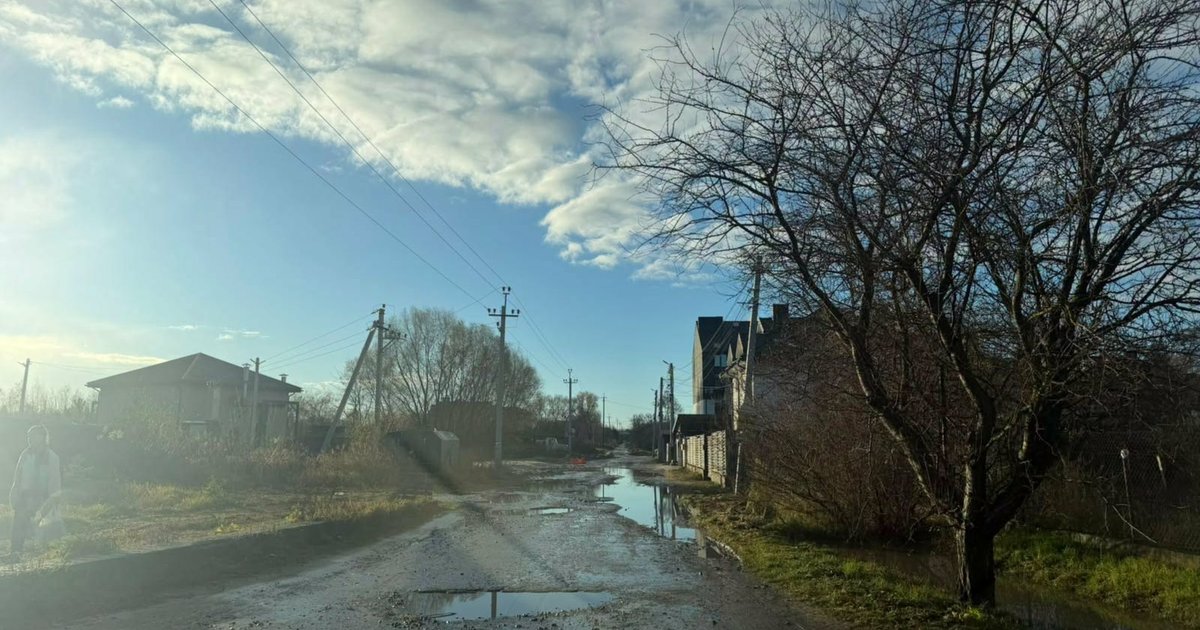
Street flooding in Rudne near Lviv due to construction over drainage ditches
In the town of Rudne, the flooding of a private plot on Lesi Ukrainky Street was caused by the obstruction of natural drainage ditches. Local authorities are now working …
 🏙️City
Ukraine's Energy Grid on November 22: Power Outages and Repair Efforts
Following recent attacks on energy infrastructure, scheduled power outages and capacity restrictions are in effect across Ukraine on November 22.
 🛡️Security
General Staff: 116 combat engagements per day, Pokrovsk direction remains the most intense
Throughout the day, Ukrainian defenders repelled enemy attacks across various front sectors, recording over a hundred combat engagements.
 🚌Transport
Turkey initiates visa facilitation with Schengen countries
Ankara has agreed to form a working group with Schengen representatives to review visa procedures, specifically focusing on truck drivers.
 🏛️Politics
Frontline Update: 116 Combat Engagements as Russian Forces Press in Pokrovsk Sector
The General Staff of the Armed Forces of Ukraine reports intense fighting along the front line, with the Pokrovsk and Kostiantynivka sectors remaining the primary focus o…