The History of New Year: From Ancient Rituals to the Modern Calendar
Why we celebrate the beginning of the year on January 1st and how calendar traditions have evolved over millennia.
 🎭Culture & Sport
Photo: TSN
Key points
- January 1st as the start of the year was established by the reforms of Julius Caesar and Gregory XIII.
- The name of the month January comes from the Roman god Janus.
- Different nations around the world have unique traditions for welcoming the holiday based on local beliefs.
The Origins of Calendar Tradition
The tradition of celebrating New Year on January 1st has deep roots dating back to Ancient Rome. While various civilizations in the past linked the beginning of the year to natural cycles, such as the vernal equinox in Babylon or the flooding of the Nile in Egypt, it was the reform by Julius Caesar in 46 BC that established January as the start of the calendar cycle.
The Impact of Reforms and Cultural Features
The name of the month comes from the god Janus, who symbolized transitions and looked simultaneously into the past and the future. However, even after the Julian reform, European countries long used different dates for the beginning of the year, focusing on religious holidays. It was only after the introduction of the Gregorian calendar by Pope Gregory XIII in 1582 that January 1st became the generally accepted date in most countries of the world.
Today, the celebration is accompanied by numerous national customs. From the Spanish twelve grapes to the Japanese bells ringing 108 times, every culture fills this day with its own symbols of prosperity and renewal.
Source TSN — tsn.ua/tsikavinki/koly-sviatkuiut-novyy-rik-chomu-data-prypadaye-na-1-s… ↗
Read next
 🩺Health
Seasonal Rise in Respiratory Infections in Lviv: Statistics and Medical Advice
Lviv health authorities report a moderate increase in viral infections and emphasize the importance of vaccination for the community.
 🛡️Security
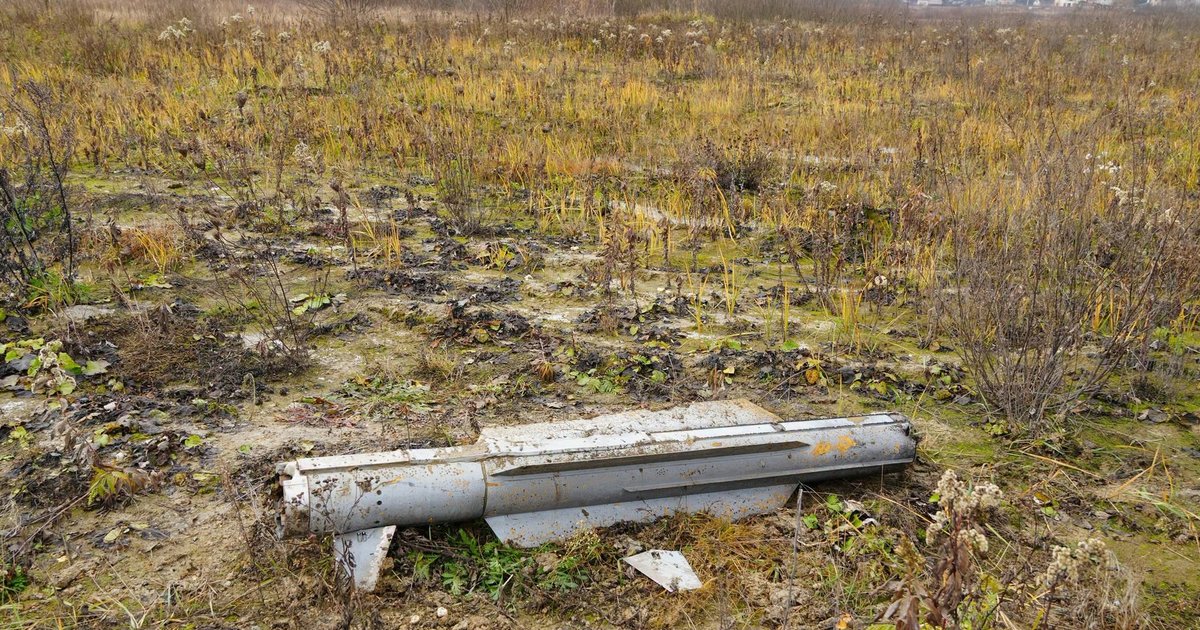
Explosive object discovered in a field in the village of Sknyliv near Lviv
On November 23, a local resident found a dangerous item in a field in the village of Sknyliv, which was promptly removed by specialized services. Explosive ordnance dispo…
 🧠AI Analysis
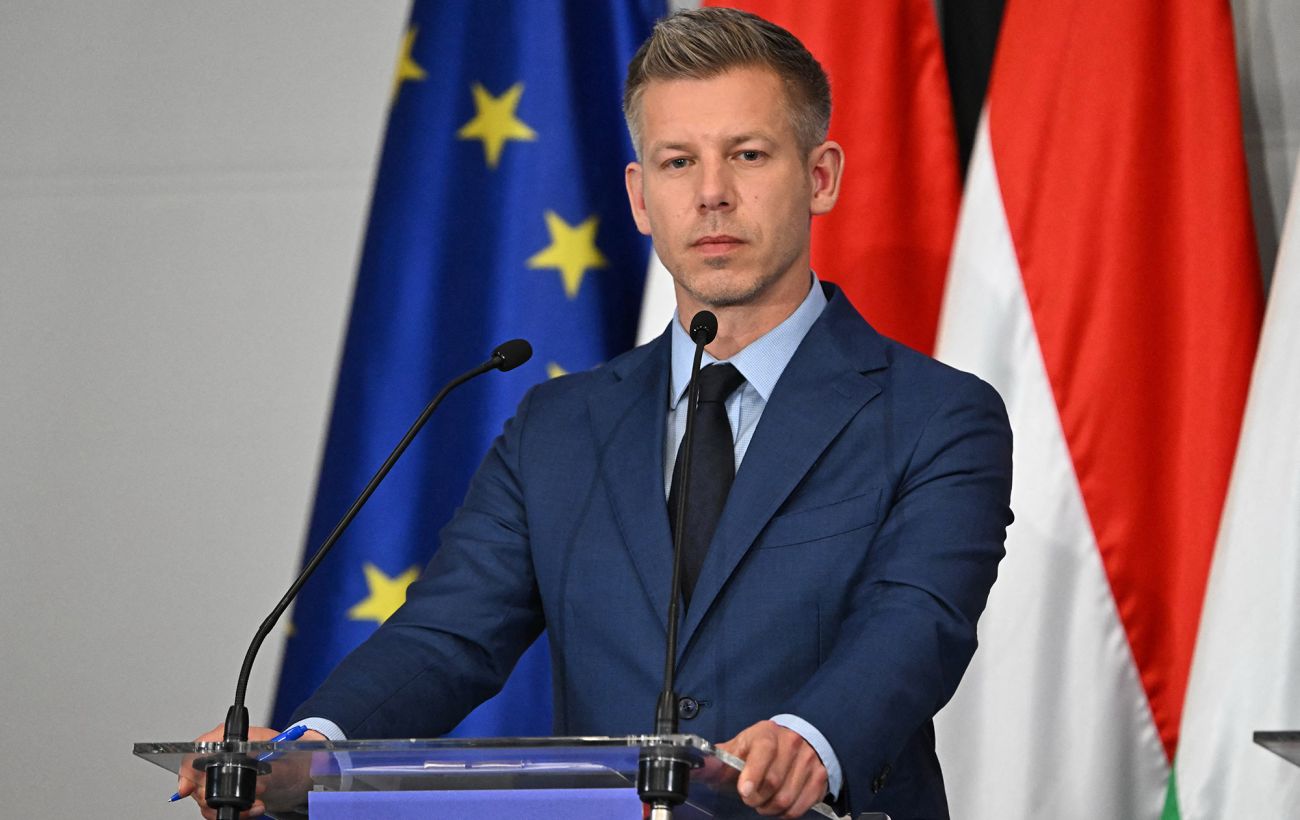
Hungary's Statement on Zakarpattia Attack: Peter Magyar Calls Russia Aggressor and Confirms Visit
In the Hungarian parliament, Peter Magyar expressed solidarity with Ukrainians following the November 17 drone strike and announced an upcoming visit to Zakarpattia.
 🚌Transport
Emergency repairs on Chuprynky Street: Lvivvodokanal extends repair deadline
Due to technical difficulties replacing a pipeline at the intersection of Chuprynky and Bandera streets, residents in several buildings will be without water until evenin…
 🚌Transport
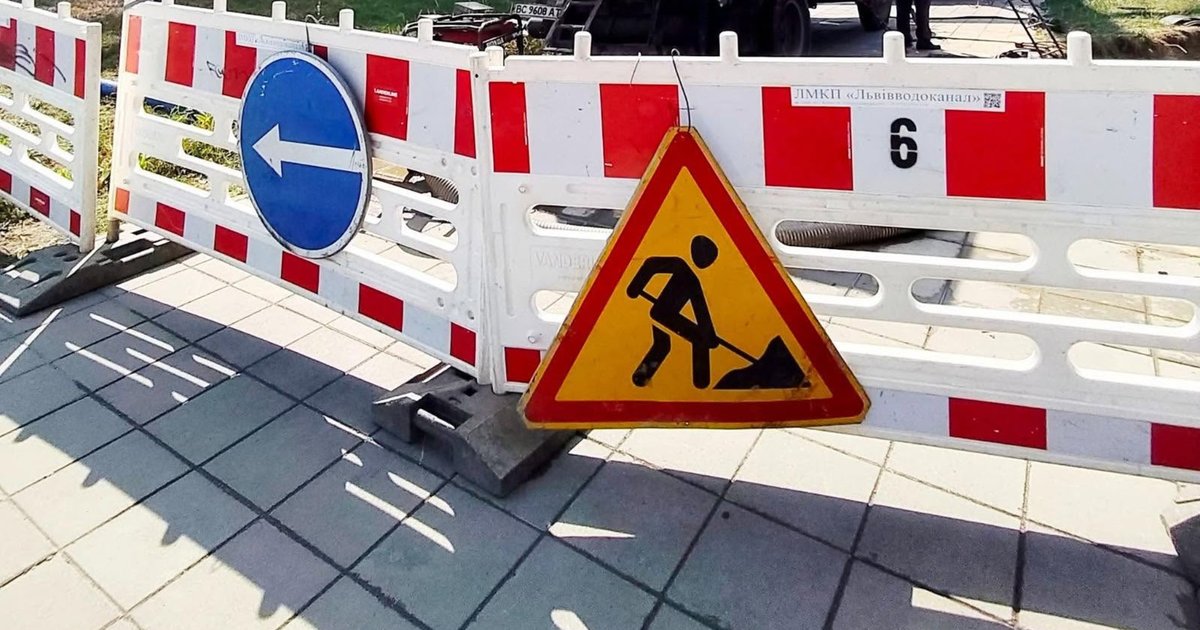
Water supply repairs on Chuprynky Street in Lviv extended: affected addresses and route changes
Repair works on the water supply network on General Chuprynky Street have been extended until evening due to the need to replace a larger section of the pipe. Several res…
 🚨Events
Two men to stand trial in Lviv for attacking teenagers in a park
The Lviv Regional Prosecutor's Office has referred to court the case of two men who stabbed a 16-year-old boy during a conflict in a park in the summer of 2026.