Taxes during downtime: Experts discuss state support for ArcelorMittal and industry
The forced shutdown of ArcelorMittal Kryvyi Rih has highlighted the need to review tax burdens and state support mechanisms during equipment conservation.
 💼Economy
Photo: RBC-Ukraine
Key points
- ArcelorMittal Kryvyi Rih halted operations and shifted to cold downtime due to security risks
- The plant continues paying fixed taxes despite generating zero income
- Current state labor compensation programs are too short-term for massive enterprises
ArcelorMittal Kryvyi Rih, Ukraine's largest metallurgical plant, has halted production and shifted its equipment to a cold downtime mode following safety risks and shelling. Despite having zero production and income, the company remains burdened with substantial tax obligations, including fixed payments like land tax. This ongoing financial pressure severely deepens the crisis faced by the heavy industry giant.
Fiscal pressure and community impact
Anatoliy Kinakh, President of the Ukrainian Union of Industrialists and Entrepreneurs, stresses that the government should reconsider fiscal requirements for enterprises forced into conservation. Member of Parliament Dmytro Kisylevsky also points out the absurdity of demanding heavy tax payments from a non-generating business. At the same time, the plant's land tax constitutes a major portion of Kryvyi Rih's local budget revenues, prompting local authorities to engage with lawmakers for a viable solution.
Another critical issue is retaining staff and covering payroll during the suspension. Existing state support programs, such as the Employment Center's 'Point of Support', are limited to a 3-6 month period, which fails to meet the needs of a massive enterprise with an indefinite resumption timeline. Industry experts propose creating customized state mechanisms to compensate wages for critical specialists whose expertise will be essential when the plant eventually restarts.
«If we are interested in resuming production, the state must not increase financial pressure on the enterprise», — notes Anatoliy Kinakh.
Despite the severe challenges, ArcelorMittal's international management confirmed they do not intend to leave Ukraine and remain ready to consider restarting operations after the full-scale war ends. The situation underscores the urgent need for flexible government policies to preserve key economic sectors.
Source RBC-Ukraine — rbc.ua/ukr/news/zavod-pratsyue-podatki-lishilisya-shcho-derzhava-17… ↗
Read next
 🛡️Security
FAB-500 Aerial Bomb Strike Hits Sloviansk: Two Killed and Three Injured
Russian forces launched a guided aerial bomb strike on a residential area in Sloviansk. The hit on a multi-storey building resulted in two civilian deaths and three injur…
 🎭Culture & Sport
Culinary trends in Lviv: Top 5 unusual variations of the holiday Olivier salad
The traditional holiday salad can be significantly transformed with new ingredients and dressings. Culinary experts offer five alternative recipes for the beloved dish.
 🛡️Security
Higher Speed and Deeper Penetration: Experts Assess Threat of New Jet-Powered 'Geran-5' and 'Geran-6' Drones
Russian forces are deploying upgraded strike drones equipped with jet engines and optical navigation. Aviation experts warn that higher velocities drastically increase ki…
 🧠AI Analysis
Eurasian pygmy owl spotted in Chornobyl Reserve: What makes Ukraine's smallest owl unique
Researchers in the Chornobyl Reserve have recorded the Eurasian pygmy owl, Ukraine's smallest owl species, known for its daytime habits and unique winter caching behavior…
 🛡️Security
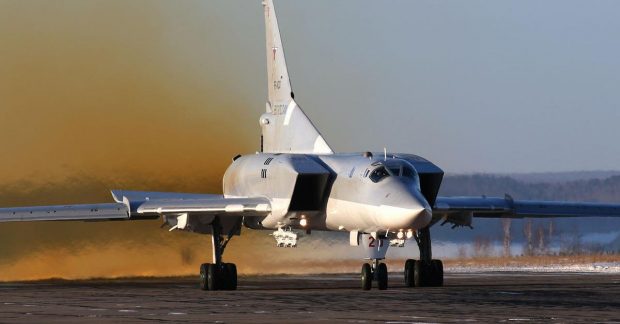
Technological Deadlock: Why Russia Cannot Mass-Produce Strategic Aviation
The Russian defense industry faces critical technological and manufacturing constraints in restoring the production and maintenance of strategic bombers.
Emergency Repairs in Lviv: Water Main Leak Reroutes Tram No. 2 and Cuts Water Supply on Chuprynka Street
On November 23, emergency crews in Lviv are repairing a damaged water pipe at the intersection of General Taras Chuprynka and Stepan Bandera streets. The work has caused …