Microplastics in water: new research points to hidden chemical hazards
Scientists have discovered that microplastics do not just pollute the environment but also trigger chemical reactions that can damage living cells.
 👥Society
Photo: TSN
Key points
- Plastic triggers the formation of reactive oxygen species in water
- Polyethylene and polypropylene are the most chemically active
- Heating plastic in household settings contributes to the release of harmful particles
Microscopic plastic particles found in water are significantly more active than previously thought. Research conducted by experts from Columbia University and the University of California, Berkeley, has shown that plastic is capable of initiating chemical processes simply by coming into contact with water.
Chemical activity on plastic surfaces
When plastic surfaces interact with water, reactive oxygen species, including hydroxyl radicals, are formed. These compounds have the ability to damage proteins, DNA, and entire cellular structures. Researchers tested six types of common polymers, including polyethylene, polypropylene, and PET. Polyethylene and polypropylene demonstrated the highest chemical activity.
Experiments on mouse blood cells confirmed that contact with microplastics can lead to the deformation and destruction of red blood cells. Crucially, as plastic fragments break down into smaller pieces, their total surface area increases, creating more opportunities for dangerous reactions to occur.
Household risks and sources of pollution
Sources of microplastics include not only the decay of large waste but also the laundering of synthetic fabrics and industrial runoff. In everyday life, the risk of microparticle release increases when plastic containers are heated in microwaves or when bottles are left in direct sunlight for long periods. Scientists also highlight the internal plastic lining of disposable paper cups used for hot beverages.
Source TSN — tsn.ua/zdorovya/mikroplastyk-vyiavyvsia-nebezpechnishym-niz-vvazaly-shc… ↗
Read next
 🏙️City
Lviv Power Supply: What to Expect from Outage Schedules on Monday
On Monday, November 23, hourly power outages will be introduced in Lviv and the region due to damage to the energy system caused by enemy strikes.
 🛡️Security
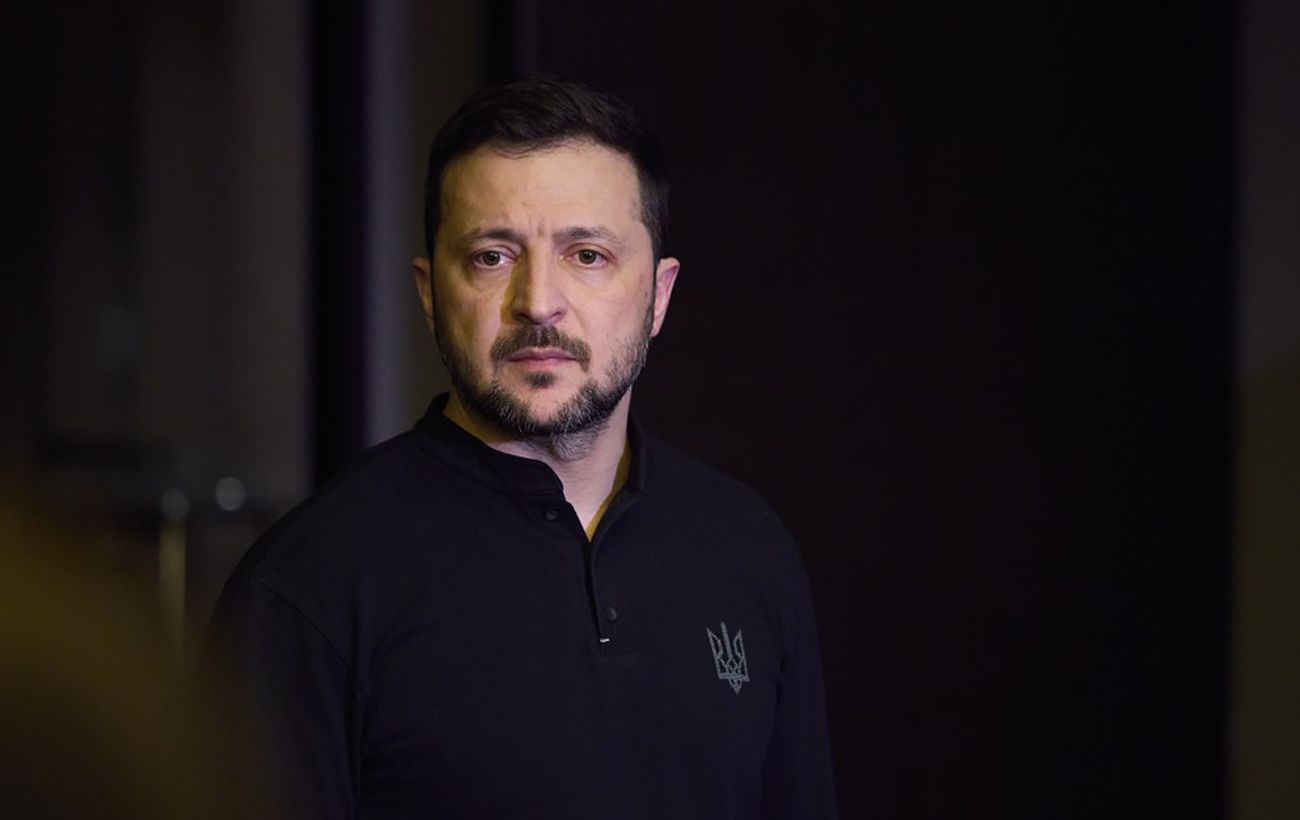
Zelenskyy warns of Russia's new tactics targeting Ukraine's energy grid
The President of Ukraine reported on the enemy's new strategy aimed at destroying transmission lines and cutting off entire regions from power supply.
 🏙️City
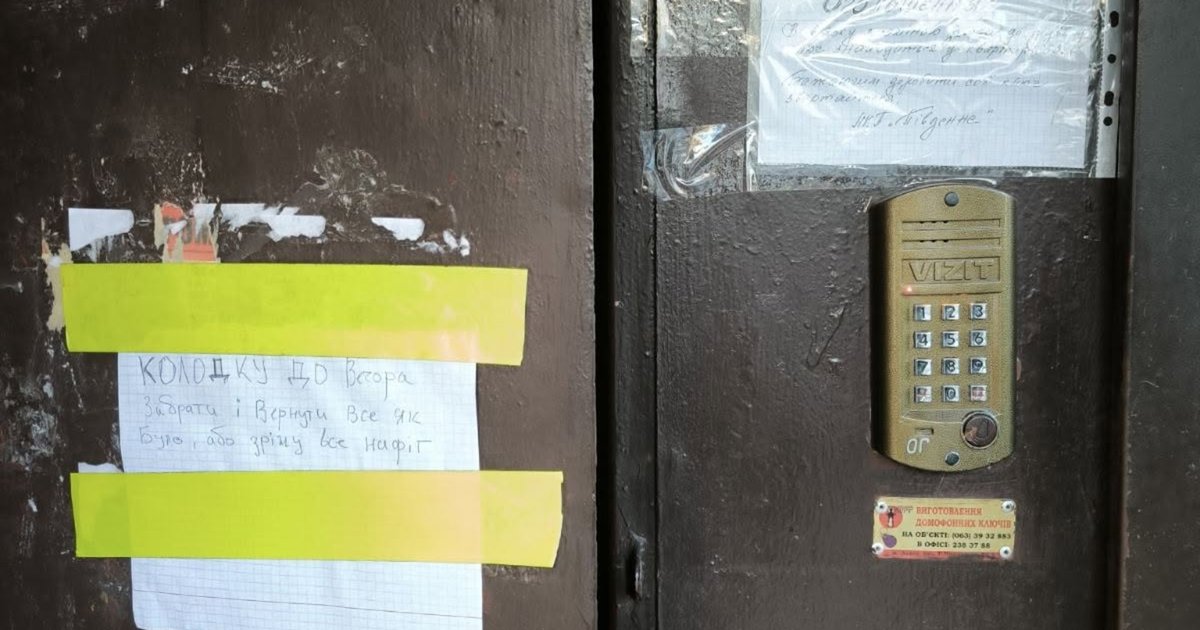
Municipal dispute on Naukova Street: Lviv residents complain over basement lock issue
A local dispute has emerged in a residential area of Lviv over a basement lock. Residents of a building on Naukova Street are urging municipal services to restore proper …
 🏙️City
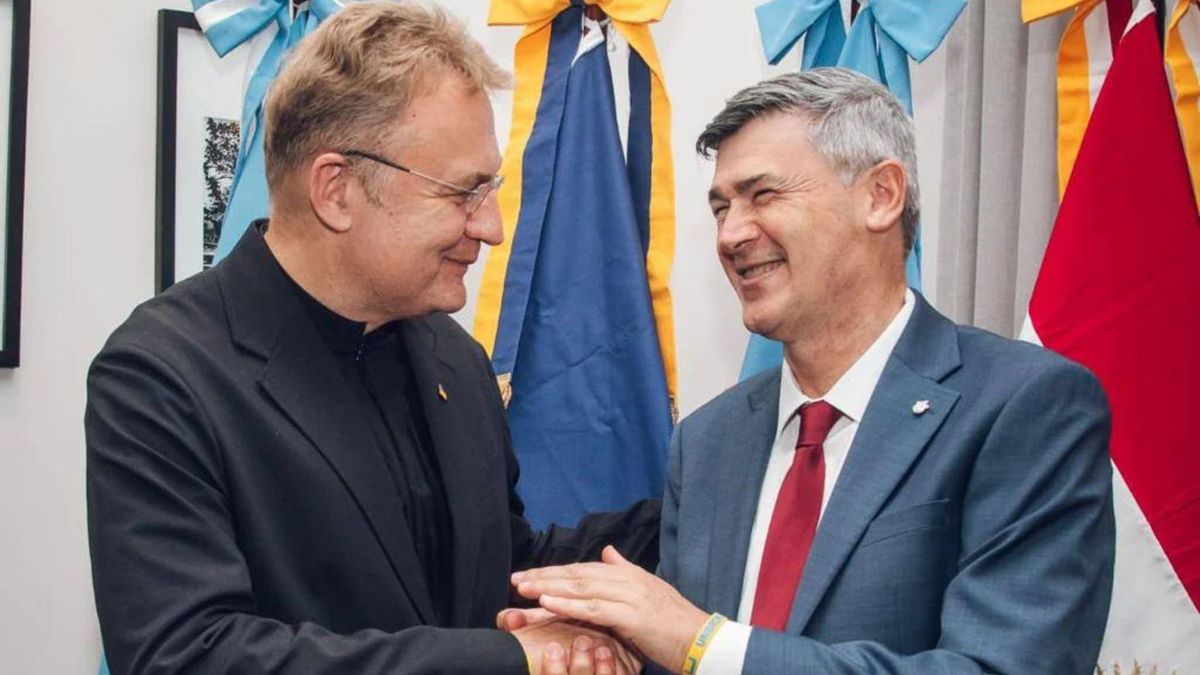
Lviv Expands International Ties: Partnership Signed with Cordoba, Argentina
Lviv has signed an official partnership agreement with Cordoba, Argentina's second-largest city. The Argentine city has also officially joined the UNBROKEN Cities network…
 🚨Events
Border Crossing Tragedy: Ukrainian National Found Dead in Romanian Mountains
Rescue teams in the snowy Maramureș mountains of Romania have found the body of a Ukrainian national and rescued two of his companions after they got lost.
 ⚽Sport
Lviv boxer Sofia Turbinina wins bronze at the U23 European Championship
Ukrainian athlete Sofia Turbinina secured a bronze medal at the continental U23 boxing championship in Poreč, Croatia.